
Eyelash Extension Glue Allergy or Irritation: Prevention and What to Do
Allergy or Simple Irritation from Eyelash Extension Glue? Learn how to tell the difference, prevent reactions, and reassure your clients.
Itchy eyes, swollen eyelids, an anxious client calling you the next day... Reactions to the glue are among the situations every lash artist dreads. Yet in most cases it is not a true allergy, and many reactions are avoidable. Knowing how to tell them apart, prevent them and talk about them calmly is how you protect your clients and your reputation.
Allergy, irritation or burn: three very different things
We often lump everything under the same word "allergy", when in fact these are three distinct phenomena, with different causes and responses.
Irritation
This is the most common. It is a contact reaction, usually caused by glue fumes during the treatment, by an isolation pad placed too close to the mucous membrane, or by an eye left slightly open. It most often affects a single eye, appears during or just after the service, and fades within a few hours.
Chemical burn
Rarer, it occurs when cyanoacrylate fumes reach an eye that was not properly closed during the treatment. It causes a burning sensation, redness and marked watering. It is a comfort emergency that calls for rinsing thoroughly and referring the client to a healthcare professional if symptoms persist.
Allergy
This is an immune-system reaction to cyanoacrylate, the component that makes the glue cure. It is more insidious: symptoms often appear several hours after the treatment, frequently at night, and affect both eyelids (swelling, redness, itching). Another particularity: an allergy can develop overnight in a client who tolerated the treatments perfectly until then.
Spotting the signs quickly
- One eye, during or just after the treatment, calming down fast: more likely an irritation.
- Both eyes, several hours later, swelling and itching that persist: more likely an allergy.
- Sharp burning and watering during the treatment: possible contact of the fumes with the eye.
This assessment helps you react, but it does not replace medical advice: only a healthcare professional can confirm an allergy.
Prevention: your reflexes in the treatment room
The vast majority of reactions come down to prep and environment. Your levers:
- Air out and ventilate your room to clear the fumes, and above all capture them at the source with the Sensitive Air Gel. Placed near the work area, it absorbs the glue fumes as they are released: the result is more comfort for you throughout the day and noticeably fewer irritations for your clients. It is one of the simplest and most effective steps against fume-related reactions.
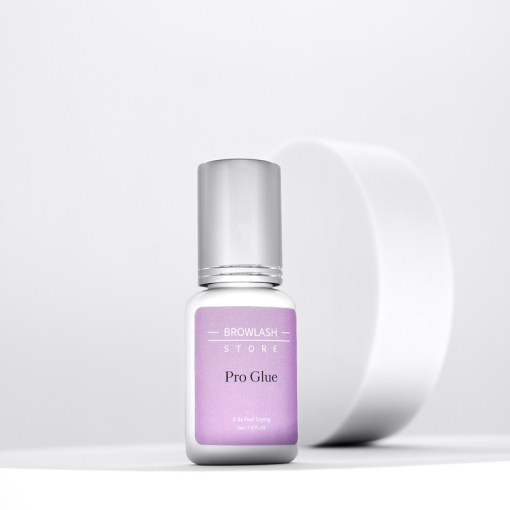
- Choose a glue suited to sensitive clients: a low-fume glue, designed for reactive skin, significantly reduces the risk of irritation.
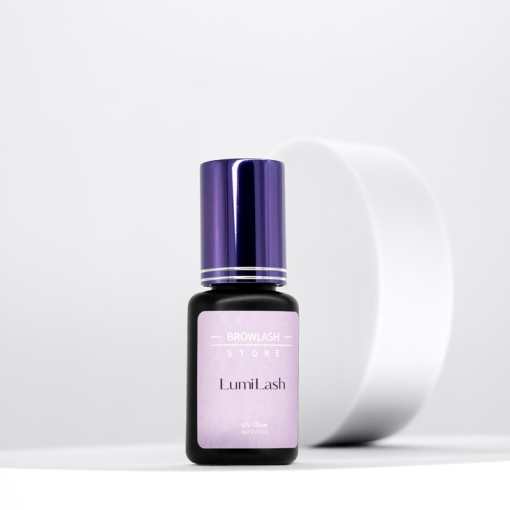
- Consider the UV technique: a UV glue like the LumiLash cures instantly under the lamp, at the moment you decide. It therefore does not keep releasing fumes throughout the treatment and no longer depends on ambient humidity, which limits fume exposure, for you and your client.
- Isolate the mucous membrane well: place the eye pads without touching the eyelid's mucous membrane and check that the eye stays perfectly closed.
- Control the amount of glue: too generous a drop means more fumes and more risk. Refresh a small drop regularly.
- Prep the area with clean preparation products and careful degreasing: a healthy base reacts less.
- Respect the drying time before the client opens her eyes, to avoid contact with the fumes.
The patch test: useful or not?
The patch test (applying a few extensions 24 to 48 hours before the treatment) reassures and shows your professionalism, but it has its limits: a cyanoacrylate allergy can develop later, even after a negative test. See it as a prevention and dialogue tool, not an absolute guarantee. It remains especially recommended for a new client, a client with a known allergic tendency, or after a change of glue.
What to do when a reaction occurs
- Stay calm and reassure the client: most reactions are mild and temporary.
- For mild irritation: rinse with clean water or saline solution, apply a cold compress, and avoid rubbing.
- If you suspect an allergy (both eyes, lasting swelling): refer the client to her doctor or pharmacist. Never prescribe a treatment yourself.
- If an allergy is confirmed: the extensions must be removed by a professional with a suitable remover, never pulled off at home.
- Document the incident in the client file to adjust or discontinue future treatments.
Important reminder: this article provides professional guidance and does not replace medical advice. Any reaction that persists, worsens or affects breathing is a matter for a healthcare professional.
How to talk about it with your clients
Transparency is your best ally. From the first treatment, explain the difference between a passing irritation and an allergy, hand over written instructions and invite the client to tell you at the slightest doubt. An informed client is not an anxious client: she trusts you more, and a well-managed reaction strengthens your professionalism rather than undermining it. This is also the whole point of turning to a trained expert.
FAQ
How do I know if it is an allergy or a simple irritation?
Irritation often affects a single eye, appears during or just after the treatment and calms down quickly. An allergy affects both eyelids, appears several hours later and persists. Only a doctor can confirm it.
Can a client become allergic after years of treatments?
Yes. A cyanoacrylate allergy can appear at any time, even in a client who tolerated the extensions perfectly before.
Does the patch test guarantee there is no allergy?
No. It reduces the risk and proves your professionalism, but a reaction can develop later. It remains strongly recommended for new clients and after a change of glue.
In summary
Telling irritation, burn and allergy apart, looking after your ventilation, choosing a low-fume glue, isolating the mucous membrane perfectly and communicating clearly: this is what turns a dreaded risk into a controlled situation. Your clients' safety is the first pillar of your reputation.
To work with peace of mind: discover our professional glues, our preparation products and refine your protocols with our lash and brow training courses.